
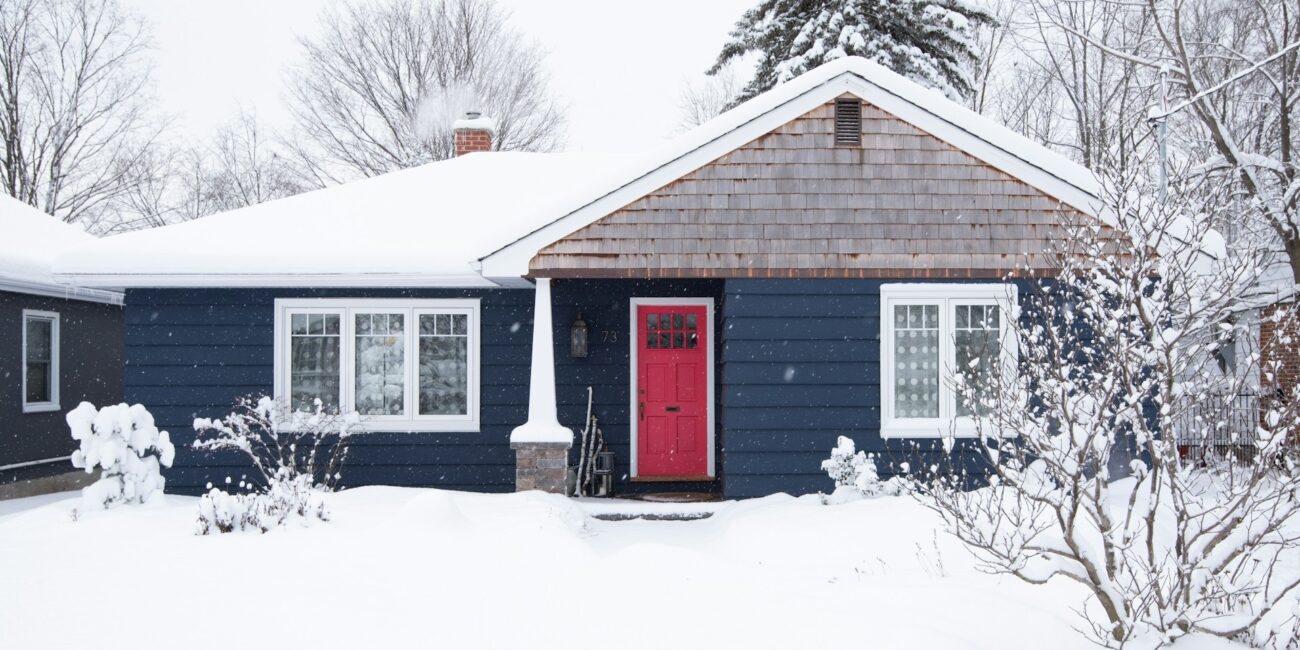
Winter brings beautiful snow-covered landscapes, but it also delivers one of homeownership’s most destructive forces: ice dams.
These formations can cause thousands of dollars in damage to your roof, gutters, and interior spaces. Fortunately, roof de-icing systems offer an effective solution to prevent these costly problems before they start.
Ice dams form when warm air from your home melts snow on the upper portions of your roof, causing water to flow down and refreeze at the colder eaves.
This creates a barrier that traps additional melting snow, forcing water to back up under shingles and into your home. The result? Damaged ceilings, walls, insulation, and compromised structural integrity.
This comprehensive overview explores six critical aspects of roof de-icing systems and their role in protecting your property. You’ll discover the different types of systems available, installation considerations, and the long-term benefits of investing in professional gutter protection.
Whether you’re dealing with existing ice dam problems or looking to prevent future issues, understanding these systems can save you significant money and stress.
Understanding Ice Dam Formation and Damage
Ice dams occur through a predictable cycle that repeats throughout the winter months. When interior heat escapes through your roof, it warms the surface enough to melt accumulated snow.
This melted water travels down the roof until it reaches the unheated eaves, where it refreezes into ice.
Common causes of ice dam formation include:
- Poor attic insulation allowing heat transfer
- Inadequate ventilation systems
- Blocked gutters preventing proper drainage
- Temperature fluctuations during the winter months
- Heavy snow accumulation on roof surfaces
The damage potential extends far beyond visible icicles hanging from your gutters. Water infiltration can destroy drywall, ruin flooring, damage electrical systems, and create conditions for mold growth.
Insurance claims for ice dam damage average between $5,000 and $25,000 per incident, making prevention a smart financial investment.
Early Warning Signs
Recognizing ice dam development early can prevent extensive damage:
- Large icicles forming along the roof edges
- Water stains appearing on exterior walls
- Interior water leaks during the winter months
- Sagging gutters from ice weight
- Visible ice buildup in gutters and downspouts
Types of Roof De-icing Systems Available
Modern roof heating technology offers several approaches to ice dam prevention. Each system type addresses different aspects of the problem, from melting existing ice to preventing formation entirely.
Heat cable systems represent the most common roof de-icing solution. These electric cables are installed along roof edges, gutters, and downspouts to maintain temperatures above freezing.
Available in both self-regulating and constant-wattage versions, heat cables provide targeted warming where ice dams typically form.
Radiant heating systems offer comprehensive coverage by installing heating elements beneath roofing materials. While more expensive initially, these systems provide uniform heat distribution across larger roof areas and integrate seamlessly with existing structures.
Self-Regulating vs. Constant-Wattage Systems
Understanding the differences between cable types helps determine the best option for your situation:
Self-regulating cables:
- Automatically adjust heat output based on temperature
- More energy-efficient in varying conditions
- Higher upfront cost but lower operating expenses
- Longer lifespan with reduced maintenance needs
Constant-wattage cables:
- Provide consistent heat output regardless of conditions
- Lower initial purchase price
- Higher energy consumption during mild weather
- Require more careful monitoring and control
Installation Considerations and Best Practices
Professional installation ensures optimal performance and safety of roof de-icing systems. Improper installation can create fire hazards, electrical problems, or system failures when you need protection most.
Critical installation factors include:
- Proper spacing between heating elements
- Adequate electrical capacity and GFCI protection
- Weather-resistant connections and mounting hardware
- Integration with existing gutter and drainage systems
- Compliance with local electrical codes and regulations
Planning Your Installation
Successful roof heating installations begin with thorough planning and assessment. Professional installers evaluate your roof’s specific characteristics, including slope, materials, drainage patterns, and problem areas.
This analysis determines optimal cable placement, power requirements, and control system configurations.
Pre-installation checklist:
- Roof condition assessment and necessary repairs
- Electrical system evaluation and upgrades, if needed
- Gutter cleaning and inspection
- Insulation and ventilation improvements
- Local permit requirements and inspections
Energy Efficiency and Operating Costs
Modern roof de-icing systems balance effective ice prevention with reasonable energy consumption. Self-regulating cables and smart control systems significantly reduce operating costs compared to older constant-heat technologies.
Factors affecting energy efficiency:
- System type and cable specifications
- Control system sophistication and sensors
- Roof size and heated area coverage
- Local climate conditions and usage patterns
- Insulation quality and heat loss reduction
Cost-Benefit Analysis
While roof heating systems require upfront investment, they often pay for themselves through prevented damage and reduced maintenance costs. Consider these financial factors:
Operating costs typically range:
- Small residential systems: $100-$300 per winter
- Medium installations: $300-$600 per winter
- Large or commercial systems: $600-$1,500+ per winter
Potential savings include:
- Avoided ice dam damage repairs
- Reduced gutter replacement frequency
- Lower insurance premiums in some cases
- Decreased emergency service calls
- Extended roof lifespan through reduced stress
Maintenance Requirements for Optimal Performance
Regular maintenance ensures reliable operation and extends system lifespan. Most roof de-icing systems require minimal attention, but periodic inspections and basic upkeep prevent problems and maintain warranty coverage.
Seasonal Maintenance Tasks
Fall preparation (before first freeze):
- Visual inspection of all cables and connections
- Testing system operation and control functions
- Cleaning gutters and removing debris
- Checking for damaged or loose mounting hardware
- Verifying GFCI protection and electrical connections
Winter monitoring:
- Periodic visual checks during snow events
- Monitoring energy consumption for unusual patterns
- Clearing excessive snow accumulation if necessary
- Documenting system performance for future reference
Spring maintenance:
- Post-season inspection for winter damage
- Cable and connection integrity checks
- Control system calibration and updates
- Documentation of any needed repairs or improvements
Professional vs. DIY Installation Options
The complexity of roof de-icing systems makes professional installation the recommended approach for most homeowners. Licensed electricians and roofing contractors possess the expertise, tools, and insurance coverage necessary for safe, code-compliant installations.
When to Choose Professional Installation
Professional installation offers advantages:
- Expertise in electrical codes and safety requirements
- Proper system sizing and component selection
- Warranty coverage and liability protection
- Access to commercial-grade materials and tools
- Long-term service and maintenance support
DIY installation may be suitable when:
- You have extensive electrical and roofing experience
- The project involves simple cable routing
- Local codes permit homeowner electrical work
- You understand safety risks and liability issues
Selecting Qualified Contractors
Research potential installers thoroughly:
- Verify electrical and roofing licenses
- Check insurance coverage and bonding
- Review customer references and project portfolios
- Compare detailed written estimates
- Confirm warranty terms and service availability
Long-term Benefits and Return on Investment
Roof de-icing systems provide value beyond immediate ice dam prevention. Property protection, safety improvements, and peace of mind contribute to their overall worth as home improvement investments.
Comprehensive benefits include:
- Structural protection from water damage and ice loading
- Reduced liability from falling ice hazards
- Enhanced property value and marketability
- Lower long-term maintenance and repair costs
- Improved winter comfort and reduced heating bills
Calculating Your Investment Return
Consider both direct and indirect benefits when evaluating roof heating systems. Direct savings from prevented damage often justify the initial cost within the first major ice dam event avoided.
Indirect benefits, including improved home value and reduced insurance risks, provide additional long-term value.
Factors increasing return on investment:
- Frequency of ice dam problems in your area
- Age and condition of existing roof and gutters
- Quality of current insulation and ventilation
- Local climate severity and snow loads
- Property value and long-term ownership plans
Roof de-icing systems represent a proactive approach to winter property protection that pays dividends for years.
While the initial investment requires careful consideration, the combination of damage prevention, safety improvements, and operational benefits makes these systems valuable additions to most homes in ice-dam-prone regions.
Safeguard Your Investment This Winter
Protecting your home from ice dams requires proactive planning and the right technology. Roof de-icing systems offer proven solutions that prevent costly damage while providing peace of mind throughout the winter months.
The key to success lies in choosing appropriate technology for your specific situation and ensuring professional installation that meets all safety and code requirements.
Whether you opt for basic heat cables or comprehensive radiant systems, the investment in gutter protection and roof heating pays long-term dividends through preventing damage and reduced maintenance costs.
Start planning your ice dam prevention strategy before winter arrives. Consult with qualified contractors to assess your property’s needs, explore available technologies, and develop a comprehensive approach that protects your investment for years to come.